
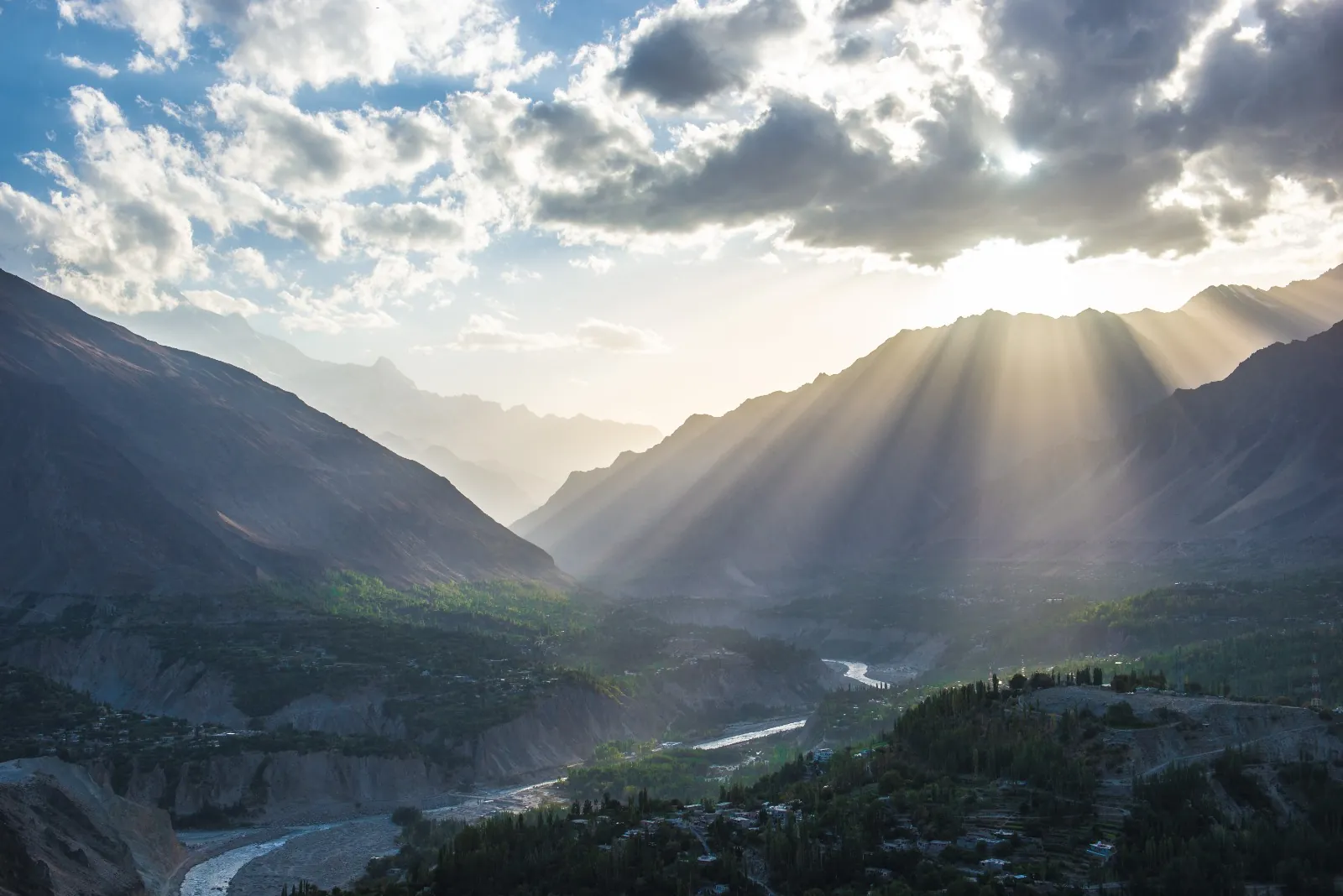
Karakoram · Cultural / Sightseeing
Hunza Valley
A cultural gem with the majestic Rakaposhi peak as a backdrop. Known for the Baltit Fort, Altit Fort, and the apricot blossom season.
About Hunza Valley
Hunza Valley is a cultural / sightseeing destination in Pakistan's Karakoram region sitting at 2,400 m. A cultural gem with the majestic Rakaposhi peak as a backdrop. Known for the Baltit Fort, Altit Fort, and the apricot blossom season. Guides from Wandering Yaks typically plan 2 days here; the best window for the wider Karakoram is June to September.
- Elevation
- 2,400 m
- Ideal stay
- 2 days
- Best time
- June to September
- Region
- Karakoram
Why go
What stands out at Hunza Valley
Field notes our guides use when planning days on the ground.
- Cultural / Sightseeing as the primary way to experience the place
- Elevation around 2,400 m
- Suggested time on the ground: 2 days
- Cultural
- Forts
- Spring blossoms
- Easy
- cultural
- forts
- spring blossoms
- easy
Planning
How to visit Hunza Valley
Hunza Valley is reached as part of a guided trip through the Karakoram. Ideal stay is about 2 days. Most visitors combine it with nearby stops on a road- or jeep-based itinerary without technical climbing. Peak season for this region runs June to September.
Same region
Near Hunza Valley
Other places we guide in the Karakoram.
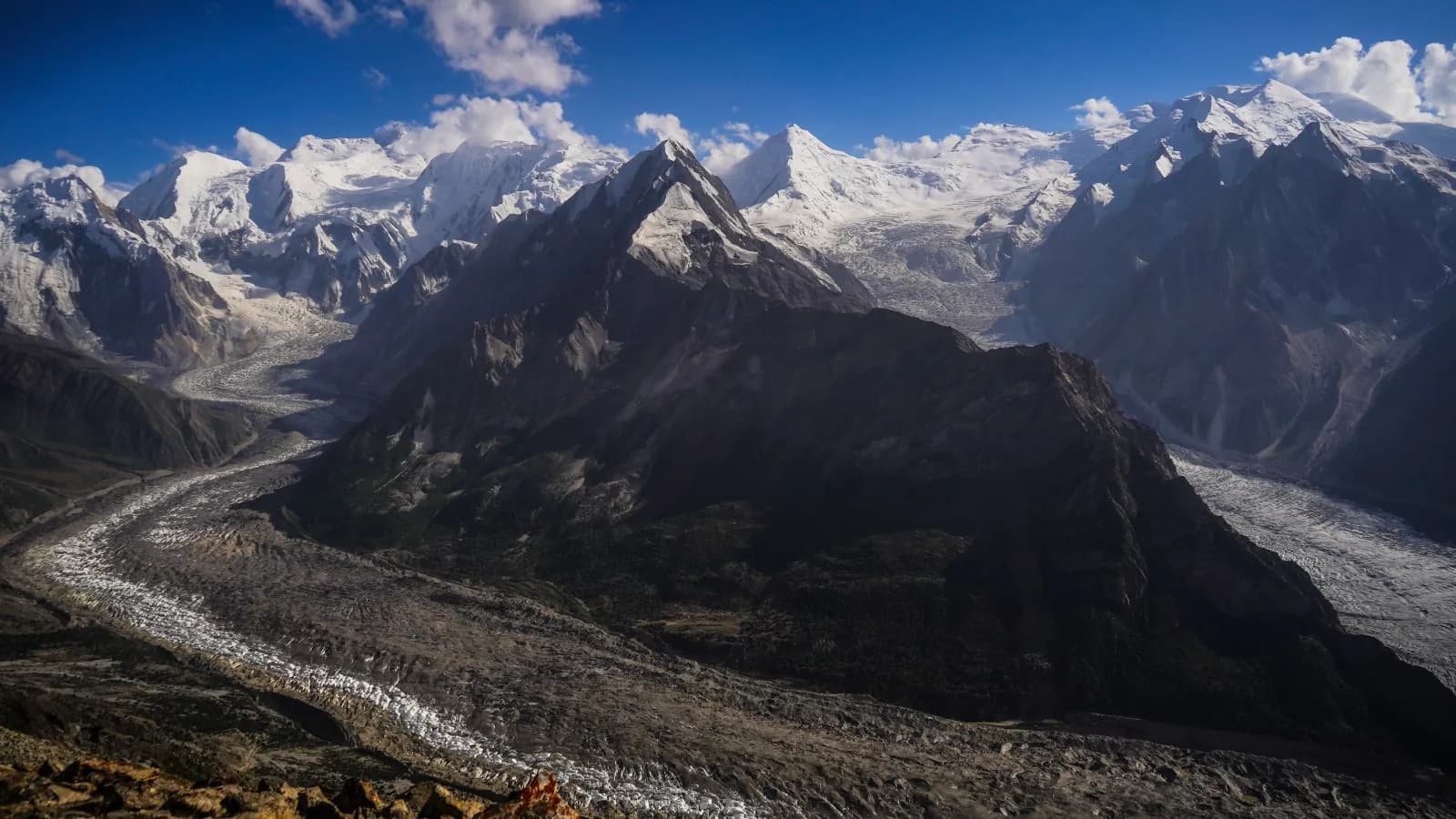
Trekking
Rush Lake
One of the highest alpine lakes in the world (4,694m), offering a stunning view of the Rush Peak and surrounding glaciers. A challenging but rewarding trek.
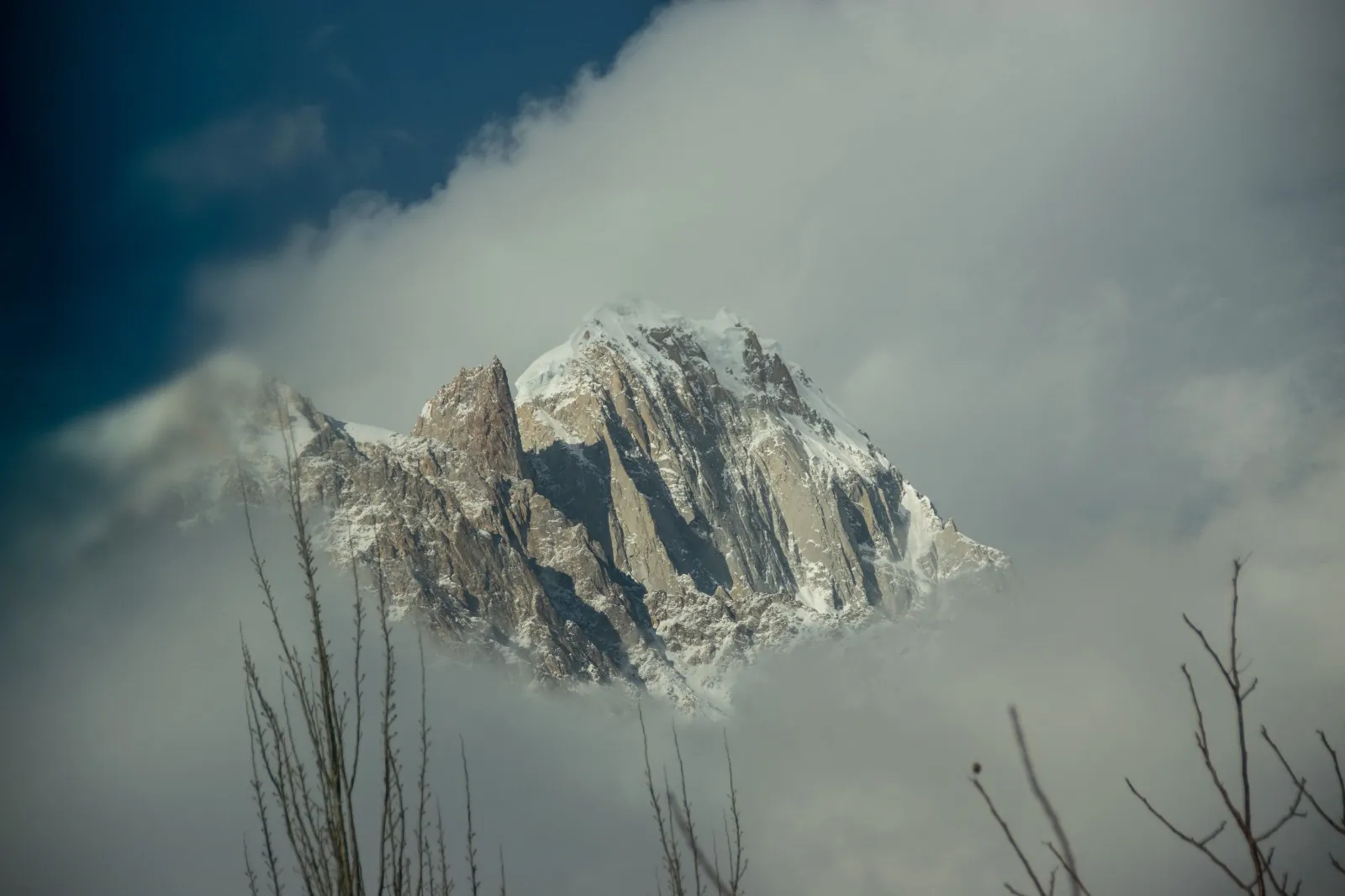
Recreation
Attabad Lake
A stunning turquoise lake formed by a landslide in 2010. Offers jet skiing, boating, and mountain views.
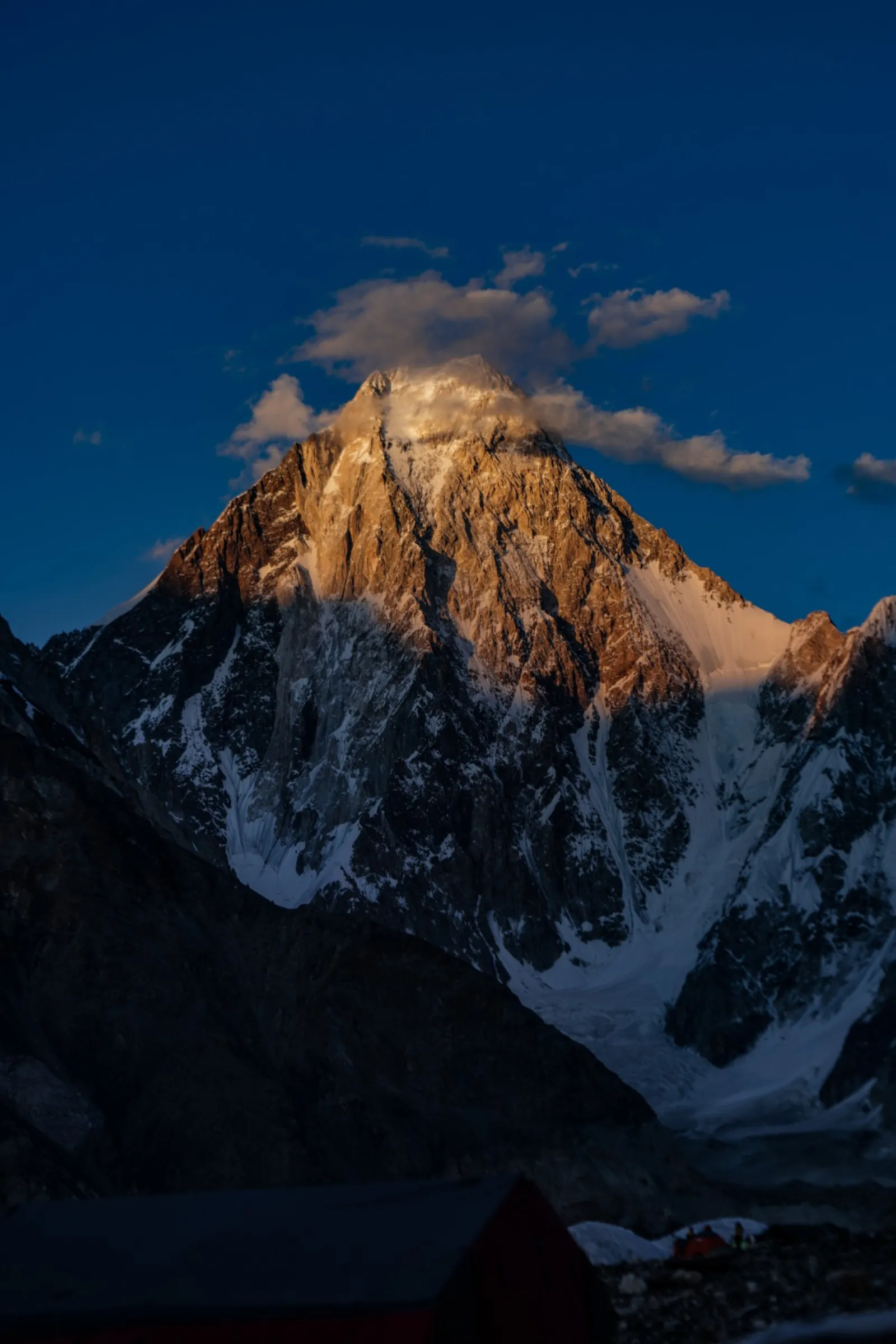
Expedition Trek
K2 Base Camp
The ultimate high-altitude trek to the base of K2 (8,611m) via the Baltoro Glacier. A once-in-a-lifetime expedition.
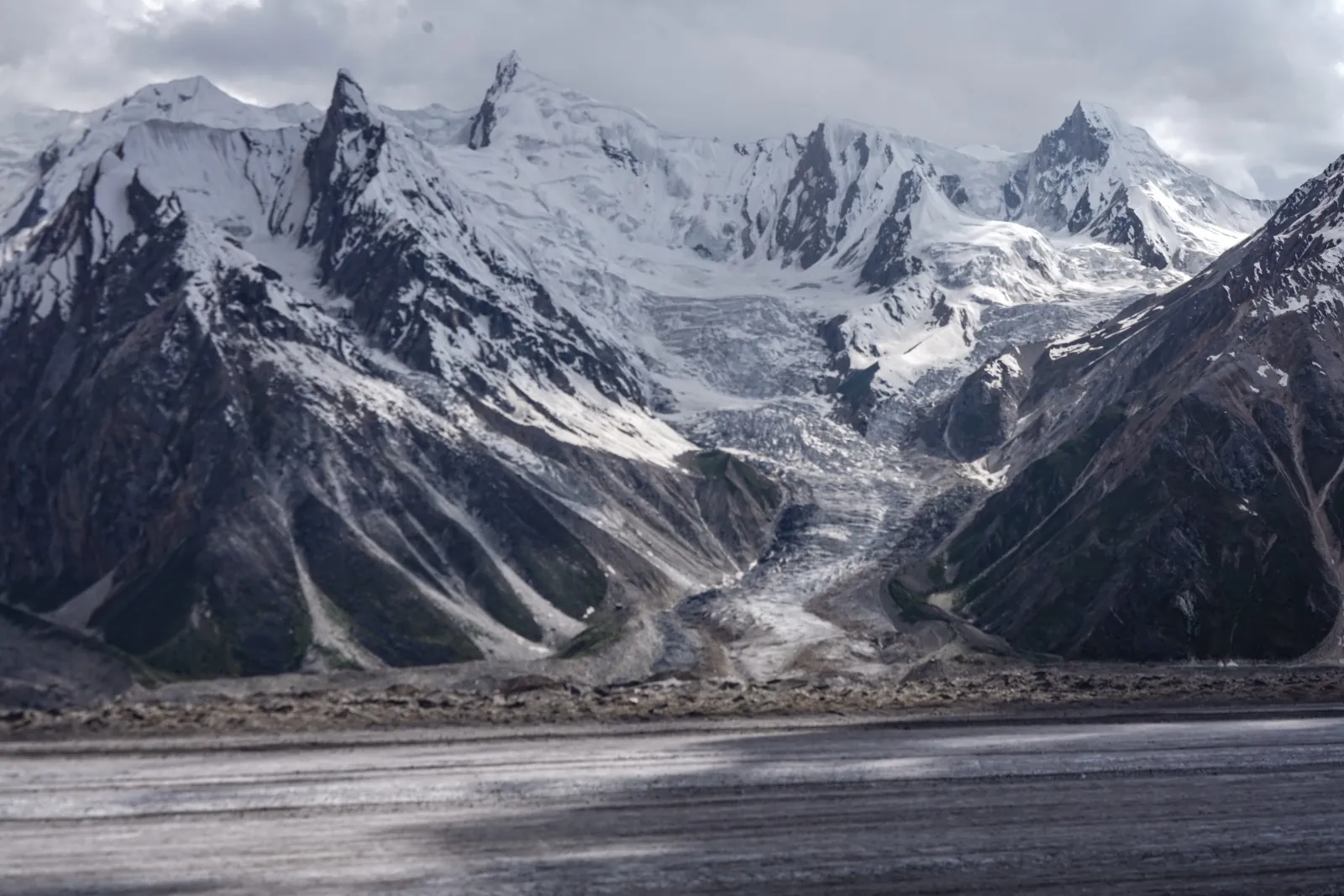
Sightseeing / Adventure
Skardu Valley & Cold Desert
The gateway to the Karakoram. Visit the Katpana Cold Desert (the world's highest sand desert), Manthokha Waterfall, and the iconic Shangrila Resort.
Frequently asked questions about Hunza Valley
Where is Hunza Valley?
Hunza Valley is in the Karakoram region of Pakistan. A cultural gem with the majestic Rakaposhi peak as a backdrop. Known for the Baltit Fort, Altit Fort, and the apricot blossom season.
What is the elevation of Hunza Valley?
Hunza Valley sits at approximately 2,400 m above sea level.
How many days should I spend at Hunza Valley?
Most guided itineraries allocate about 2 days at Hunza Valley, depending on travel style and connecting destinations in the Karakoram.
When is the best time to visit Hunza Valley?
For the Karakoram as a whole — including Hunza Valley — the best window is June to September. Exact trail and road access can shift with snowmelt and monsoon fringe weather.
What kind of activity is Hunza Valley known for?
Hunza Valley is primarily a cultural / sightseeing destination, often tagged for cultural, forts, spring blossoms.
Do I need a guide to visit Hunza Valley?
Wandering Yaks runs host-led trips through the Karakoram that include Hunza Valley where the itinerary fits. Independent travel is possible in some valleys, but permits, transport, and remote logistics are simpler with a local operator.
What else can I combine with Hunza Valley?
Most travelers pair Hunza Valley with other Karakoram destinations such as Rush Lake, Attabad Lake, K2 Base Camp.
How do I book a trip that includes Hunza Valley?
Browse trips for the Karakoram on Wandering Yaks, or contact us to build a private itinerary that includes Hunza Valley and nearby stops.
Ready when you are
Walk Hunza Valley with local guides
Host-led trips across the Karakoram — or a private itinerary built around this destination.